Ainda sem produtos na sua encomenda!

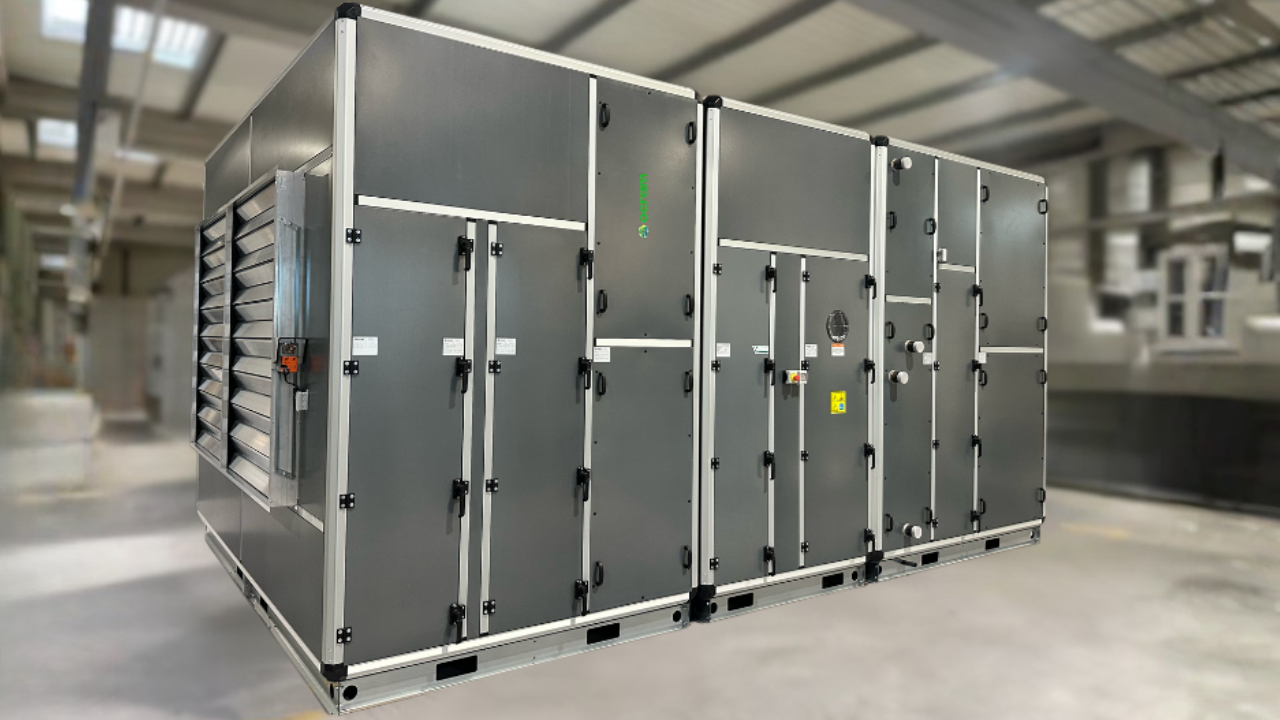
The durability and performance of air handling units depend on their size, internal components and, above all, the choice of materials used in their construction. This technical decision directly influences corrosion resistance, operational efficiency over time and the overall maintenance and operating costs of the equipment.
At OCRAMclima®, the selection of materials is defined during the dimensioning and technical specification phase, well before the unit arrives on site, ensuring that all technical criteria are met from the outset.
Air handling units often operate in demanding environments, subject to humidity, temperature variations and, in some cases, aggressive atmospheres. In these contexts, corrosion protection is essential to ensure the longevity and consistent performance of the equipment.
In conventional metal sheets, exposed or unprotected areas become critical corrosion points. These vulnerable areas can cause localised rusting, structural weakening and compromise the unit’s watertightness and performance over time. Without adequate protection solutions, degradation can spread rapidly, increasing maintenance requirements and shortening the service life of the AHU.
In addition to the structural impact, this degradation can negatively influence energy efficiency and the overall performance of the installation, since leaks and internal damage alter the intended functioning, also affecting thermal and acoustic performance levels.
Corrosion resistance in air handling units is also covered by European technical guidelines from Eurovent,
the European association representing the HVAC industry.
Elements such as cut edges, joints, fasteners and mounting points are of particular relevance, as they can become initiation sites for localized corrosion if adequate protection is not provided. In environments with high humidity, frequent condensation or prolonged exposure to water, these degradation mechanisms can accelerate significantly, reducing service life and increasing maintenance requirements.
In this context, the selection of materials with continuous corrosion protection, specially designed to preserve the integrity of the most vulnerable areas, is crucial to ensuring operational reliability and consistent performance throughout the units’ life cycle.
To address these challenges, OCRAMclima® specifies Magnelis® steel with a C5 corrosion resistance classification for the majority of its Air Handling Units. The steel is coated with a zinc–aluminium–magnesium alloy designed to ensure enhanced corrosion resistance under demanding operating conditions.
One of its main advantages is its ability to self-regenerate in cut areas, maintaining protection even after manufacturing operations. This significantly reduces the risk of localised corrosion and increases the structural durability of the unit.
As a result, Magnelis® C5 ensures continuous and homogeneous protection, enhancing structural durability and reducing preventive maintenance requirements associated with premature ageing of the unit.
Although there are alternatives such as C5 painted sheets, these have significant technical limitations.
In these cases:
Magnelis® C5 combines effective protection, proven durability and consistent performance throughout the entire life cycle of the AHU, representing a particularly robust technical choice.
The choice of corrosion-resistant materials ensures that air handling units maintain their functionality over time, minimising structural degradation and maintenance requirements.
This technical criterion translates into reliable units in actual operation and instils confidence in the professionals responsible for installing, operating and maintaining the units.
At OCRAMclima®, the selection of materials, including Magnelis® C5, is part of a set of technical decisions that ensure durability, structural consistency, and efficient performance.
The consistency between the requirements defined in the design and the behaviour of the equipment in operation is the result of informed technical choices, ensuring the overall quality of the air handling units developed.
To ensure maximum durability and efficiency of AHUs, contact our technical team. From the choice of materials to the definition of construction solutions, we provide specialised support at all stages of the project, helping to optimise performance and reduce future maintenance risks.


